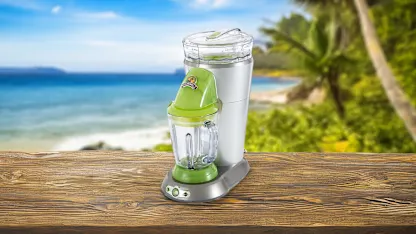
Margaritaville Bahamas Frozen Concoction Maker



Our Take
- Shaker of salt not included
- It shaves the ice and blends it in with cocktails
- Jimmy Buffet designed this himself
- Can it make a margarita: Not only can it make one, it SHOULD make one
Your Take


A Shaving Product
You might be thinking: A frozen concoction maker? Isn’t that just… a blender?
And the answer is: No.
As in: No, it’s not just a blender. It’s also a shave-ice machine.
Basically, how it works is you load up some ice in the ice reservoir. Then you put your cocktail mixers and booze in the blender, hit the button, and let it rip. It shaves ice directly into the blender cup, which in turn, blends the frozen cocktail.
And people love it! Like, for example, Amazon customer Cynthia:
In the summer, this gets used everyday. Everyday. In the winter we use it at least 3 or more times a week. Since we use this thing more than we use even our coffee-makers, I bought a second pitcher about one year ago.
More than your coffee machine?! Cynthia, are you okay???
But don’t worry; the caloric intake of this indulgence is relatively minor:
One reason we love this machine is because while we are calorie-conscious folks, we still like to have tasty things to drink. This machine lets us create adult drinks using crystal-light type drink mixes.
I guess it makes sense to credit this specific machine with this ability, because the blender is likely powerful enough to mix the powder. On the other hand, I hate to yuck someone’s low-calorie yum, but boy oh boy if a pitcher of Crystal Light cocktails doesn’t sound like what they’d serve in hell.
Of course, winter’s on its way. In other words, it’s maybe not the time for hosting frozen drink parties on the patio. But you can still use this thing in the cold months, even if it’s only you and your spouse or roommate doing the drinking. Or, heck, you can mix up some frozen drinks just for you. Of course, it can be weird drinking alone, which is why we recommend putting on a cocktail-inspired film on to keep you company.
You know, something like:
- Big Bahama Mama’s House
- Singapore Sling Blade
- Tom & Jerry Maguire
- Natural Born Painkillers
- Mo-Heat-o
Or, if you don’t want to commit to a whole movie, an episode of a cocktail-related show would do, like:
- Orphan Black & Tan
- The Mai Tai Boosh
- Blue Hawaii Five-O
- White Russian doll
- The Bloody Mary Tyler Moore Show
Yeah, pretty stupid puns, I know. But you know what’s not stupid? Investing in a machine to shave ice and mix cocktails.
Okay, that is a little stupid. But, like, fun stupid.
Today’s SideDeal
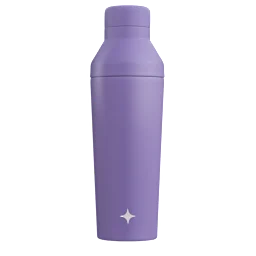
Shake it like you mean it
- Vacuum insulation helps keep drinks cold